What are the CPU heat sinks and how are they made?
CPU heat sinks are an essential component of computers that help keep the central processing unit (CPU) cool. The CPU generates a lot of heat when it is in use, and without a heat sink, the temperature could rise to a point where the processor would cause damage to itself. In this article, we will explore what CPU heat sinks are, and how they are made.
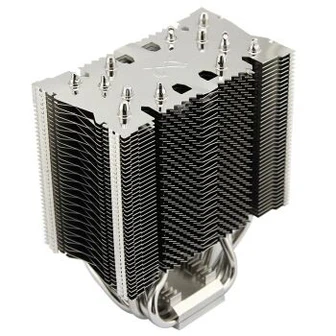
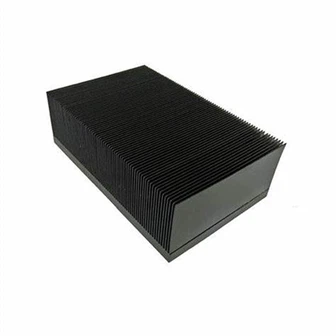
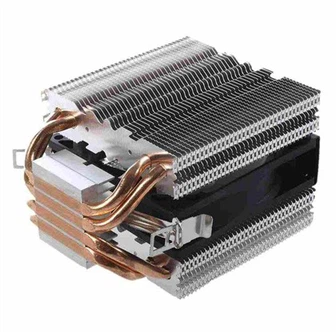
CPU heat sinks can be identified as the metal objects typically found atop a CPU. They are made of various materials such as aluminum or copper, with fins and ridges to increase the surface area for greater heat dissipation. Their primary function is to draw heat away from the CPU and transfer it to the surrounding air. A fan or other cooling device can be added to facilitate this process.

Heat sinks can come in various shapes and sizes, depending on the type of CPU and the motherboard used. These variations can be modified to fit the specific specifications of each individual computer. Heat pipes, which are thin tubes filled with a liquid that evaporates quickly, also help to increase the heat transfer process. Heat pipes can be an essential part of passive cooling systems, which have no fan and rely solely on natural convection for airflow.
Most heat sinks are made using a process called extrusion. The process begins with a large block of aluminum or copper that is then heated to a specific temperature. The block is then pushed through a die, which stamps out the design based on the desired specifications. Once the heat sink design is stamped out, it is then sent through a series of machines and processes that refine it, ensuring that it works efficiently.

The heat sink's effectiveness can be enhanced by adding thermal paste to the surface between the CPU and the heat sink. Thermal paste is a compound made of materials such as silicone or zinc oxide that increases the transfer of heat from the CPU to the heat sink. It fills in gaps and air pockets left between the two surfaces, resulting in a more efficient heat transfer.
Recently, there have been significant advancements in heat sink technology. One such advancement involves creating heat sink fins with microscopic grooves that help dissipate heat more efficiently. Another new development, called heat sink stacking, involves layering heat sinks on top of each other to increase cooling power further.
Even with the latest advancements in heat sink technology, it is essential to keep them clean to ensure optimal performance. Over time, dust and debris can accumulate on the surfaces, hindering heat dissipation. Cleaning a heat sink involves the removal of the dust and debris and applying a new layer of thermal paste to ensure optimal heat transfer.
In conclusion, CPU heat sinks are critical components in computers that help keep the central processor cool. They are typically made of metal, primarily aluminum or copper, using a process called extrusion. When paired with thermal paste and fans, heat sinks can effectively dissipate the heat produced by the CPU. Keeping them clean and up to date with the latest technology is essential for getting the most out of your computer.