
What are the impacts of high CPU temperature on computers
Computer CPU is like human brain. As the most important hardware of the whole machine, its performance directly affects the performance of the whole machine. Generally speaking, it is normal for the CPU temperature to be controlled within the temperature range of 30 ℃. What is the temperature range of 30 ℃? In fact, it is very simple. For example, if the room temperature is 25 ℃, then the temperature range of 30 ℃is 55 ℃. It is the most ideal condition to control the CPU temperature within 55 ℃at 25 ℃.
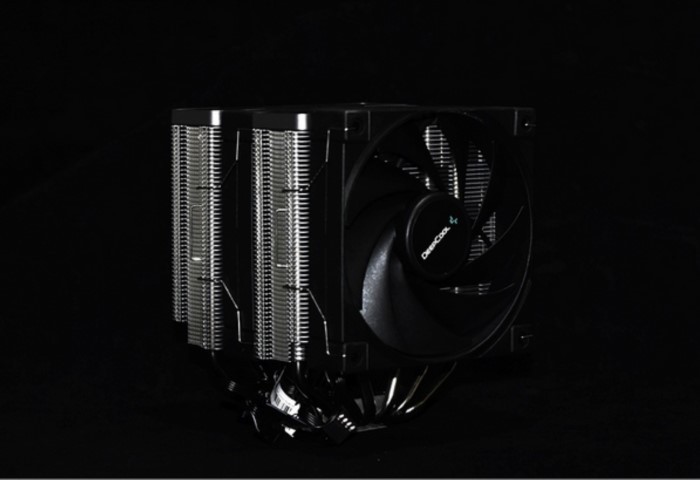
A high CPU temperature can trigger a protection mechanism, causing the processor to automatically reduce its operating frequency, thereby significantly affecting the computer's performance. In extreme cases, when the CPU temperature approaches the critical value, in order to protect the hardware from permanent damage, the computer may initiate a thermal shutdown protection measure, which automatically shuts down to prevent hardware damage.
The performance degradation caused by the increase in temperature not only affects daily use, such as file processing and online browsing, but also becomes more pronounced for high load operations such as video editing, 3D rendering, and gaming. For a long time, users may feel that the computer responds slowly, processes slowly, and experiences issues such as lagging.

Long term high-temperature operation almost inevitably causes damage to the CPU and other components. High temperatures may not only damage the internal architecture of the CPU, making it unable to function properly, but also affect other computer components such as the motherboard, graphics card, and memory, and may even lead to power failure. Long term high-temperature operation can accelerate the aging of electronic components, leading to gradual performance degradation and an increase in failure rate. Every 10 ℃ increase in temperature may reduce the reliability of electronic devices by half. From a long-term perspective, it is crucial to maintain the CPU within a reasonable temperature range in order to ensure the long-term stable operation of computer equipment.

The high temperature of the CPU has a wide range of impacts on computers, from performance degradation, hardware damage, system instability, to shortened lifespan. Each aspect may affect the user experience and may bring additional maintenance or replacement costs. Therefore, monitoring and managing computer CPU temperature, maintaining a reasonable temperature control strategy, and selecting high-quality cooling solutions are key measures to protect computer health and ensure optimal performance.