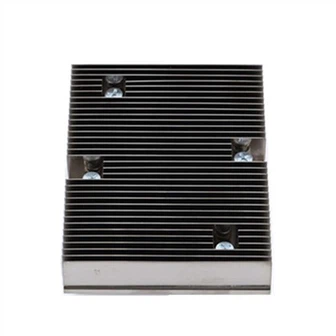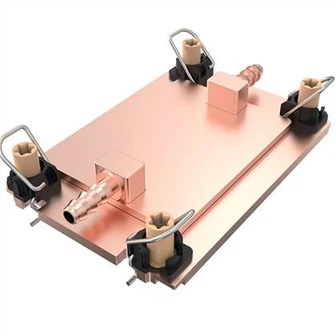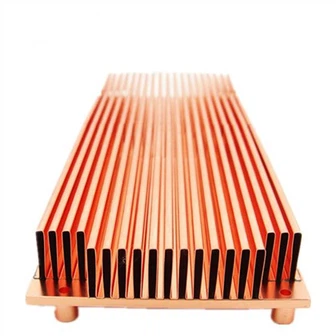
liquid cooling heatsink will become a new trend in future thermal solution
With the rapid development of technology, electronic device cooling technology is also facing unprecedented challenges. Faced with the heat dissipation needs of high-performance electronic devices, traditional air-cooled heat sinks are no longer able to meet our needs. At this time, a new heat dissipation technology - liquid -cooled radiators - emerged, which gradually became the new trend of future heat dissipation with its unique advantages and efficient cooling performance.

A liquid -cooled radiator is a heat dissipation device that uses water as a medium. It guides liquid through pipelines into the interior of electronic devices, rapidly transfers the heat generated by the equipment to the liquid supply through heat exchange, and then circulates the water out of the equipment through the action of a water pump, achieving the purpose of cooling electronic devices. Compared to traditional air-cooled radiators, liuqid -cooled radiators have higher cooling efficiency, quieter operating sound, and longer service life.
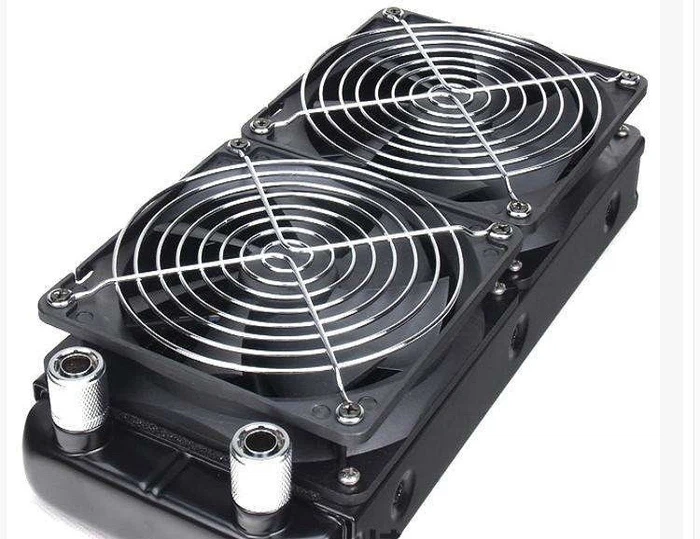
Firstly, the cooling efficiency of liquid -cooled radiators is extremely high. Due to its high specific heat capacity, water can absorb more heat. Compared to traditional air-cooled radiators, liquid-cooled radiators can transfer heat from the inside of the device to the outside more quickly, keeping electronic devices within a stable temperature range. This is particularly important for high-performance electronic devices, as they generate a large amount of heat during operation. If the heat cannot be dissipated in a timely manner, it will affect the performance and lifespan of the equipment.
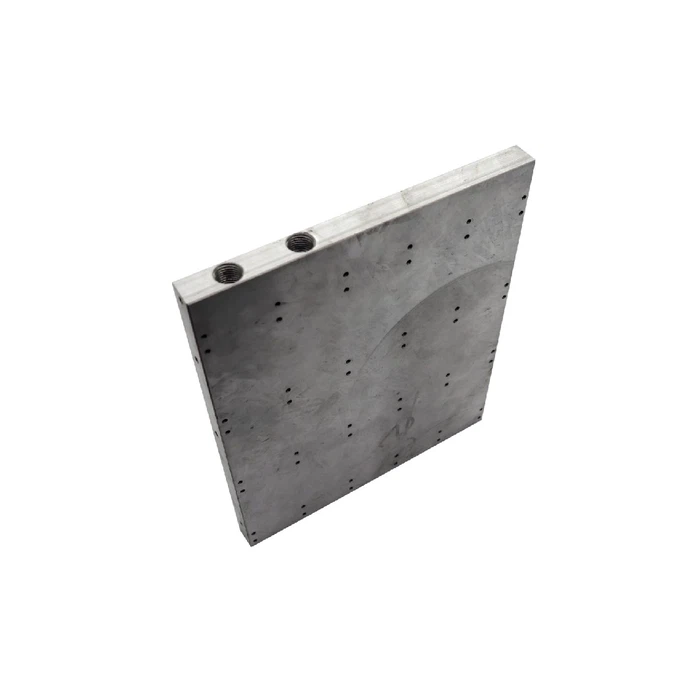
Secondly, the operating sound of the liquid -cooled heatsink is lower. Traditional air-cooled radiators produce significant noise due to the rotation of the fan, while water-cooled plate radiators do not have this problem. It dissipates heat through water circulation and does not require forced air flow from a fan, making it quieter to operate and suitable for use in quiet environments.
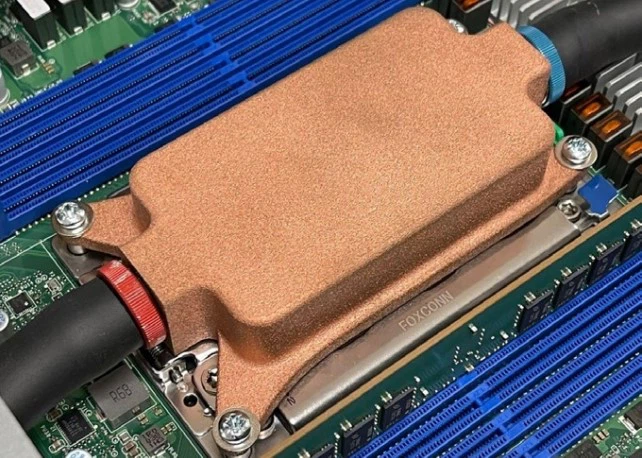
In addition, the operation sound of the liquid-cooled radiator is smaller. Traditional air-cooled radiators produce significant noise due to the rotation of the fan, while water-cooled radiators do not have this problem. It dissipates heat through water circulation and does not require forced air flow from a fan, making it quieter to operate and suitable for use in quiet environments.
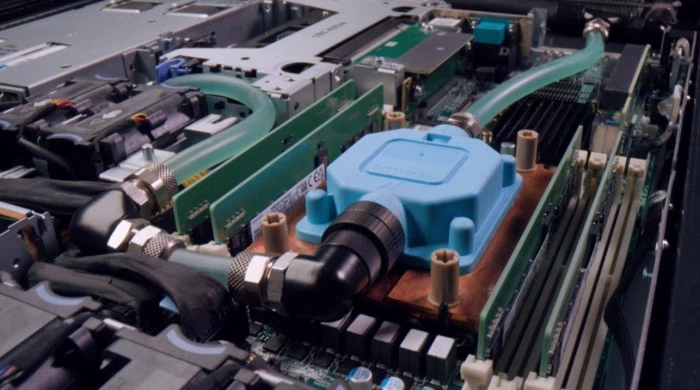
In today's fast-paced and efficient era, electronic devices have become an indispensable part of our lives. Whether it's computers, mobile phones, or various other electronic devices, they not only provide us with convenience, but also bring a common problem - heat dissipation. If the heat of the equipment cannot be dissipated in a timely manner, it will affect the performance and lifespan of the equipment. Therefore, choosing a suitable heat dissipation method is particularly important. As an innovative heat dissipation technology, liquid -cooled heatsink will be applied and promoted in more fields due to their advantages of high efficiency, quietness, and long lifespan.