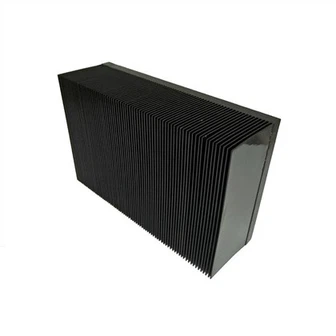
Liquid Cooling Thermal Solutions: Benefits and Drawbacks
As electronic devices become more complex and powerful, managing their heat output has become a major challenge. One solution that has gained popularity in recent years is liquid cooling, which uses a liquid or coolant to transfer heat away from a component. In this blog, we will discuss the benefits and drawbacks of liquid cooling for thermal management.

Benefits of Liquid Cooling Thermal Solutions
1. Better Cooling Performance: Liquid cooling is often able to achieve better cooling performance than air cooling, which relies on fans to circulate air. Liquid is able to transfer heat more efficiently than air, allowing for more efficient cooling. This is particularly important for high-performance electronic devices, which generate a lot of heat.
2. Reduced Noise: Since liquid cooling doesn’t rely on fans to dissipate heat, it can be much quieter than traditional air-cooling methods. This can be beneficial for those who use their devices in quiet environments or for those who are sensitive to noise.
3. Greater Reliability: Liquid cooling systems are generally more reliable than air-cooling systems, as they are less prone to mechanical failure. This is because liquid cooling systems have fewer moving parts, which means there are fewer things that can break or malfunction.
4. Higher Overclocking Potential: Overclocking is the process of increasing the speed of a component beyond its factory limits. Liquid cooling can help enable higher overclocking potential, as it allows for more efficient cooling of the component.
Drawbacks of Liquid Cooling Thermal Solutions
1. Cost: One of the biggest drawbacks of liquid cooling is the cost. Liquid cooling systems are generally more expensive than air-cooling systems, as they require more complex components such as pumps, radiators, and coolant. Additionally, liquid cooling systems require more maintenance than air systems, which can further increase costs.
2. Complexity: Liquid cooling systems can be complex to install and set up, requiring a significant amount of technical knowledge. Additionally, liquid cooling systems require more maintenance than air systems, which can be a drawback for those who don’t have the technical expertise to maintain them.
3. Risk of Leaks: Liquid cooling systems can be prone to leaks, which can cause damage to the electronic device or even lead to a failure of the system. This risk is lower when using high-quality components and careful installation, but it is still a potential drawback of liquid cooling.
4. Risk of Corrosion: Liquid cooling systems can be prone to corrosion, as the coolant can be corrosive if it is not properly maintained. This can cause damage to the components and reduce the lifespan of the system. Regular maintenance is important to prevent this risk.
Conclusion
In conclusion, liquid cooling thermal solutions offer several benefits over traditional air-cooling methods, including better cooling performance, reduced noise, greater reliability, and higher overclocking potential. However, there are also several drawbacks to liquid cooling, including cost, complexity, the risk of leaks, and the risk of corrosion. Ultimately, the decision to use liquid cooling will depend on the specific needs of the device and the technical expertise of the user. Those who require high-performance cooling and have the technical knowledge to set up and maintain a liquid cooling system may find that it is a beneficial solution for their thermal management needs. However, those who don’t have the expertise or budget to use liquid cooling may still find that traditional air-cooling methods are sufficient for their needs.