New energy battery cooling ways
The power battery used in new energy vehicles is a rechargeable chemical battery. Its charge and discharge process is actually a process of chemical reaction. Therefore, the power battery will release a certain amount of heat with the intensity of chemical reaction in the charge and discharge process. Therefore, if the huge power battery pack of new energy vehicles does not do a good job in thermal management, it is not only easy to damage the battery, but also very easy to cause combustion accidents.
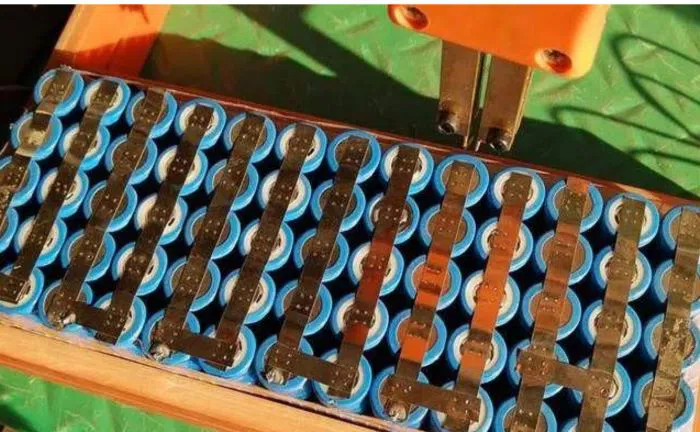
The power battery pack is composed of many cells. When producing power batteries, battery manufacturers often use the characteristics of batteries for heat dissipation, such as large gap between cylindrical batteries, large surface area of square batteries, etc. In addition, the battery manufacturer will heat the power battery in the following ways.
Natural cooling:
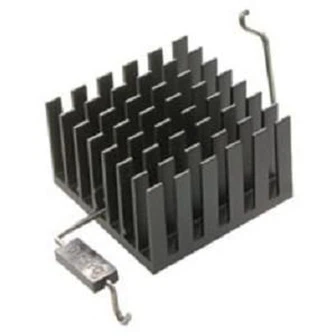
It is to use high thermal conductivity materials to make a heat dissipation device , which is connected to the power battery pack to take away the heat generated by the battery during operation and naturally radiate it into the air. This heat dissipation method is relatively passive, and the heat dissipation effect is not very good, but the cost is low.
 Fan cooling:
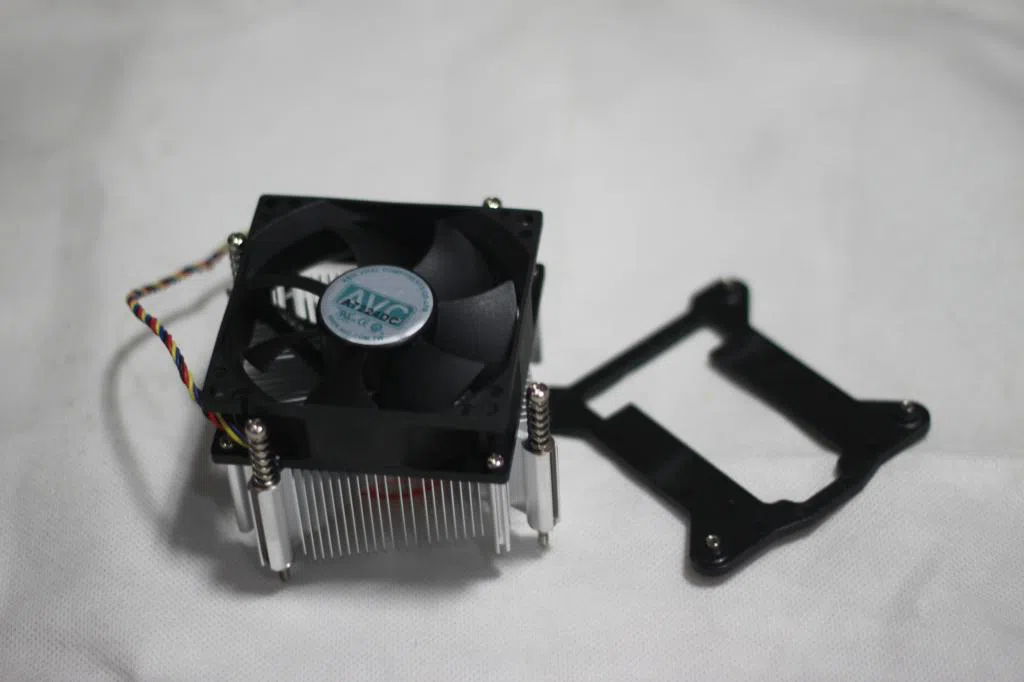
On the basis of natural heat dissipation, a fan with heat sink is added to increase the cooling area and air circulation speed, so that the heat inside the power battery pack can be quickly dissipated.
 Liquid cooling:
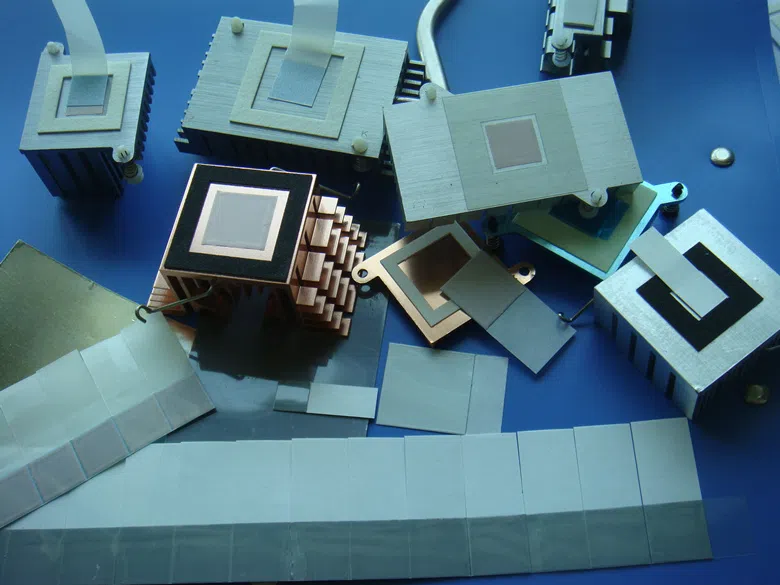
The heat of the battery is transferred to the liquid cooling heatsink through the thermal conductive film, and the heat is taken away by the arbitrary circulation flow based on the principle of thermal expansion and cold contraction of the cold liquid, so as to unify the temperature of the whole power battery pack, while the strong specific heat capacity of the cold liquid absorbs the heat generated during the operation of the cell, so that the whole battery pack acts within a reliable temperature.

Refrigeration Cooling:
Using the refrigeration as the heat exchange medium in the process of gas-liquid change to rapidly reduce the temperature of the power battery. This method has the best cooling effect and the highest cost.

At present, the power batteries of new energy vehicles are mostly air-cooling and liquid cooling. The power battery has large working current and heat production. At the same time, the battery pack is in a relatively closed environment, which will lead to the temperature rise of the battery. There are two kinds of power battery heat dissipation, active and passive, which are very different in efficiency. The cost required by the passive system is relatively low and the measures taken are relatively simple. The structure of active system is relatively complex and requires more additional power, but its thermal management is more effective.