Several efficient heat dissipation methods
The performance of electronic products is becoming increasingly powerful, while the integration and assembly density are constantly increasing, leading to a sharp increase in their operating power consumption and heat generation. The material failure caused by heat concentration in electronic components accounts for the vast majority of the total failure rate, and thermal management technology is a key factor considered in electronic products. It is necessary to strengthen the thermal control of electronic components in this regard.

The efficient heat dissipation of electronic components is influenced by the principles of heat transfer and fluid mechanics. The heat dissipation of electrical components is to control the operating temperature of electronic devices, thereby ensuring their working temperature and safety, mainly involving different aspects such as heat dissipation and materials. At present, the heat dissipation of electronic components mainly includes natural, forced, liquid, refrigeration, diversion, thermal isolation and other methods.

Cooling technology mainly refers to the ways, methods, and techniques of external thermal design, involving various aspects such as heat dissipation or cooling methods, materials, etc. related to heat transfer. According to the different methods of heat conduction and convection, radiator products can be divided into active and passive modes.
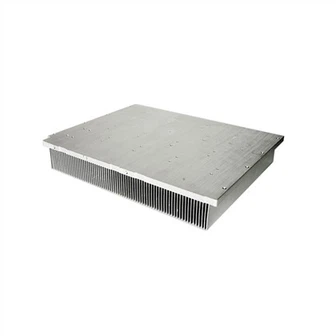
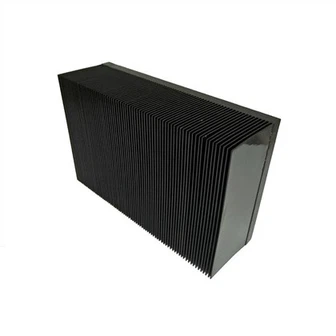
Natural cooling is a commonly used method of active cooling, which utilizes the high thermal conductivity of materials (mainly profiles) to remove heat and dissipate it into the air. In the absence of specific wind speed requirements, the natural convection heat sink used is copper aluminum plate, aluminum extrusion, alloy casting to achieve product cooling. Natural cooling methods are mainly applied in electronic components with low temperature control requirements, low-power equipment and components with relatively low heat flux density for device heating.

Forced air cooling method is a way to accelerate the air flow around electronic components and remove heat through fans and other means. Force Air cooling is also a common heat dissipation technology, which is relatively simple to manufacture, has the advantages of relatively low price, and simple installation. This method can be applied in electronic components if the space is large enough for air flow or if some heat dissipation facilities are installed. In practice, appropriately increasing the total area of heat dissipation and generating a relatively large convective heat transfer coefficient on the heat dissipation surface are the main ways to enhance this convective heat transfer capability.

The application of liquid cooling for electronic components is a cooling method based on chips and chip components. Liquid cooling can be mainly divided into two methods: direct cooling and indirect cooling. The indirect liquid cooling method refers to the use of a liquid coolant that does not directly come into contact with electronic components, but instead transfers heat between heating components through an intermediate medium system using auxiliary devices such as liquid modules, thermal conductivity modules, spray liquid modules, and liquid substrates.

The direct liquid cooling method, also known as immersion cooling method, is to directly contact the liquid with related electronic components, remove heat through the coolant, and mainly apply it to devices with relatively high heat consumption volume density or in high-temperature environments.

By using semiconductor cooling to dissipate heat or cool some conventional electronic components, also known as thermoelectric cooling, this method utilizes the Peltier effect of the semiconductor material itself to allow direct current to pass through different semiconductor materials and form a thermocouple in series. At this point, heat is absorbed and released at both ends of the thermocouple to achieve the cooling effect. It has the advantages of small device size, convenient installation, good quality, and easy disassembly.

Thermal isolation refers to the use of insulation technology to dissipate heat and cool electronic components. It is mainly divided into two forms: vacuum insulation and non vacuum insulation. In temperature control of electronic components, non vacuum insulation treatment is mainly used. The thermal isolation method mainly affects the temperature of local components, strengthens control, and prevents the heating effects of high-temperature components and related objects, thereby ensuring the reliability of the entire component and extending the application life of the equipment. In practice, because temperature directly affects the heat transfer performance of insulation materials, generally the higher the temperature, the more insulation materials are needed.

In the development process of integrated circuits, the density and heat density of electronic components continue to increase, and their thermal problems are gradually becoming more prominent. High quality cooling methods can ensure the performance indicators of electronic components. In practical applications, it is necessary to comprehensively consider the specific heating power and self characteristics of electronic components, and reasonably apply different cooling methods . It is necessary to comprehensively select the application methods and means based on the specific application scenarios, and thus highlight the performance indicators of electronic components.