

Thermal managemen of electrochemical energy storage system
The operation of the energy storage system generates large heat, which endangers the safety and life of the battery. The service life of lithium batteries is closely related to the operating temperature. At present, it is generally believed that the best operating temperature range of lithium batteries is 10 ℃ ~ 35 ℃. Too low a temperature will lead to the solidification of electrolyte and the increase of impedance, and too high a temperature will make the diaphragm easy to melt. The energy storage batteries are closely arranged, with great heat generation and uneven heat dissipation. When the temperature difference between the batteries in the container is greater than 10 ℃, the battery life will be shortened by more than 15%. The difference in temperature rise between modules will increase the internal resistance difference, which will further shorten the life of all batteries due to the barrel effect.
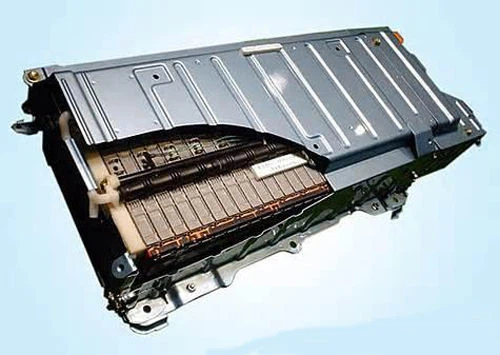
At present, the mainstream energy storage heat management schemes include air cooling and liquid cooling. Air cooling is to use low-temperature air as the medium to generate thermal convection between natural wind or fan and the battery cell, so as to reduce the battery temperature. The air cooling structure is simple, but the heat exchange efficiency is low and accurate temperature control cannot be achieved. In contrast, the liquid cooling scheme uses cooling liquids such as water, ethanol and refrigerant, which are indirectly contacted with the cell through the evenly distributed guide grooves on the liquid cooling plate. It is close to the heat source, has high heat exchange efficiency and low energy consumption, and can ensure the consistency of the temperature of the battery cells. In the future, as the demand for high-capacity energy storage battery systems increases, the penetration rate of more efficient liquid cooling solutions will increase rapidly.
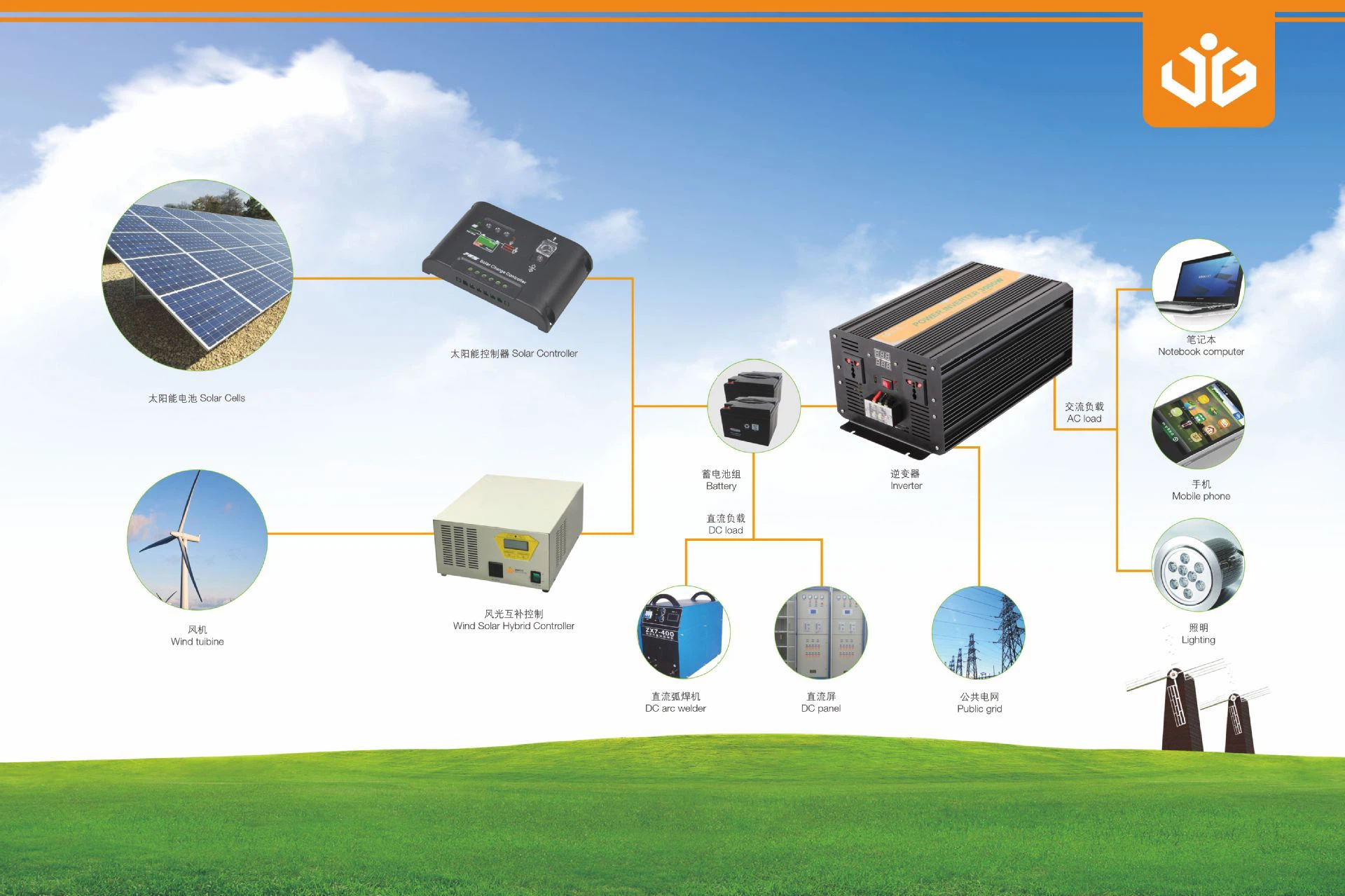
Nowadays, more and more people pay attention to and recognize liquid cooling energy storage. In addition to the current market demand, it is also inseparable from its own advantages.

The threshold of liquid cooled energy storage technology is high, because it does not simply dissipate the heat of the system, but directly dissipates the heat of the cell through the convection of the coolant, and its difficulties also include how to reduce the leakage risk of the coolant. The liquid cooled pack technology is adopted to support the modular construction of energy storage units. With the new generation of BMS software, the security of the energy storage system can be guaranteed from three levels: cell monitoring, pack heat dissipation and system structure, so as to improve all-round security for users.

In addition to safety, the integrated design of energy storage system should also consider the operation and maintenance of the whole life cycle. From this perspective, the economy of liquid cooled energy storage system is better. The operation of the energy storage system produces large heat and uneven heat dissipation, which not only endangers the safety of the battery energy storage system, but also affects the battery life. It can significantly improve the efficiency of the system while ensuring the safety of the battery system and avoiding the safety risks caused by thermal runaway.


