Structural thermal design of electronic equipment
The requirements of modern electronic equipment for performance index, reliability and power density are constantly improving. Therefore, the thermal design of electronic equipment is becoming more and more important. In the process of electronic equipment design, power devices are particularly important, and their working state will affect the reliability of the whole machine. Due to the continuous increase of heat generation of high-power devices, heat dissipation through packaging shell can not meet the heat dissipation demand, It is necessary to reasonably select the methods of heat dissipation and cooling, so as to realize effective heat dissipation, control the temperature of electronic components below the specified value, and realize the heat conduction channel between the heat source and the external environment, so as to ensure the smooth export of heat.

PCB Board design:
Since it is difficult for electronic equipment to dissipate heat by convection and radiation, heat dissipation can be realized mainly through conduction. In order to shorten the conduction path and realize reasonable layout, heating devices need to be installed in the casing in the design process. PCB connection is realized through socket, so as to reduce the connecting cable, facilitate air flow and realize the setting of minimum thermal resistance and shortest heat dissipation path, Avoid circulating heat in the box.

Thermal plate design:
Some devices are packaged in TGA and PLCC with four pins. For example, the main cooling element is CPU, so effective heat dissipation measures should be used. At this time, square holes can be opened in the heat conduction plate to give way to the device, and a small heat conduction plate can be pressed on the top of the device to guide the heat to the PCB thermal plate.
In order to make the small thermal plate in good contact with the device and PCB thermal plate and improve the heat conduction efficiency, Apply insulating thermal grease or pad insulating heat-conducting rubber plate on the contact surface to make the device end in close contact with the PCB thermal plate. In order to make the plate at the other end in close contact with the chassis wall, the PCB thermal plate and the chassis wall are connected with a wedge-shaped pressing structure. This structure can be used in PCB boards with concentrated radiator and high heat dissipation power.

Cooling heatsink design:
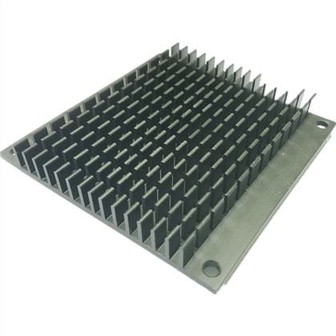
In the process of designing the heatsink, the structural wind pressure, cost, processing technology, heat dissipation efficiency and other conditions of electronic equipment should be fully considered. The heatsink fins are required to be thin, but they will lead to problems in the processing process. The reduction of the spacing between ribs will increase the heat dissipation area, but increase the wind resistance and affect the heat dissipation. Increasing the height of ribs can increase the heat dissipation area, This will increase the heat dissipation. However, for straight ribs with equal cross-section, the heat transfer will not increase after increasing the height of the rib to a certain extent. If the rib height continues to increase, the efficiency of the rib will be reduced and the wind resistance will be increased.

In the process of realizing the thermal design of electronic components and equipment structure, it is necessary to analyze the heat transfer mode of electrical components and equipment and consider the thermal environment and other factors of electrical components. Based on the relevant parameters of this design, the thermal design is finally realized by using appropriate methods. Through simulation verification, the working performance of this equipment is stable and can meet the requirements of users for high reliability of the equipment.